


Vikings: War of Clans PvP
4.440.12K Reviews
App Specs
- Version
- 7.0.6.1114
- Updated On
- License
- Free
- Downloads
- 10,000,000+
- Developer
- Plarium LLC
- Categories
- Strategy
- Platform
- Android, iOS
Screenshots
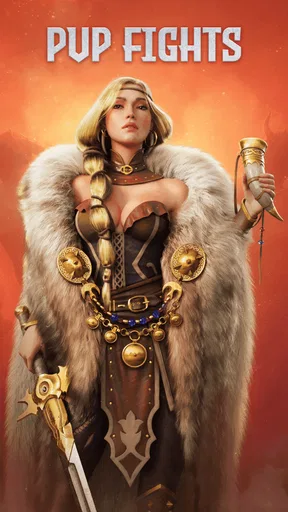
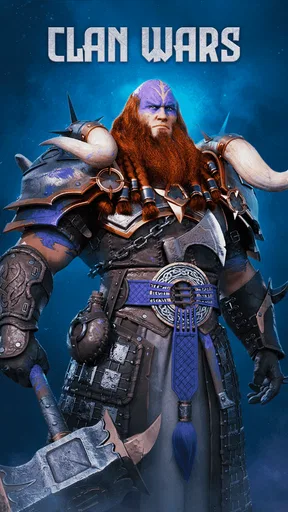
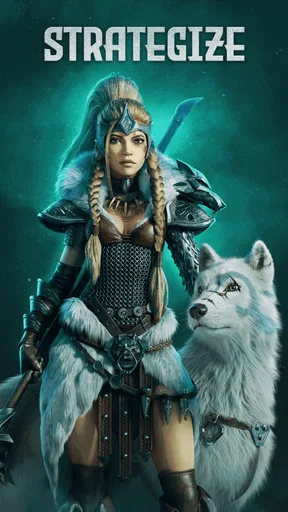
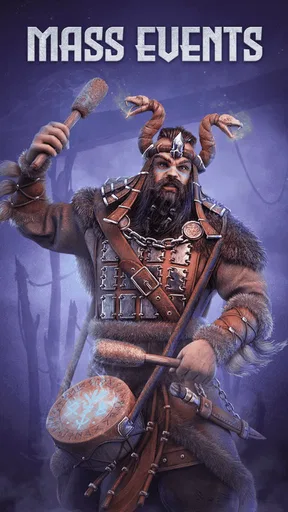
 Analysis by AppCompare
If you’re looking for a strategy game where building a settlement leads into player-versus-player conflict, Vikings: War of Clans puts those activities in the same long-running loop. I find its appeal less about one dramatic battle and more about deciding what to improve, what to train, and when to take a risk. The early goals are easy to understand, but the game asks for patience as those choices become more demanding.
Developed by Plarium LLC, this free strategy game has been available since August 10, 2015, and its current version is 6.9.3.1114. It has an average rating of 4.4 from around one million ratings, with over 10 million installs. That reach makes sense for a game built around steady growth and social competition, though its Teen rating and optional purchases are worth bearing in mind before you start.
Building a Kingdom That Can Hold Its Own
I focus here on what it takes to make a settlement more than a collection of upgrades: choosing a direction, preparing for player conflict, and deciding when patience is the smarter move. That foundation makes the next question more interesting: how can I tell whether my plans are actually moving me forward?
Early goals give each session a purpose
At the start, I’m asked to take responsibility for a settlement: develop its buildings, manage resources, and prepare an army. That gives me a practical checklist rather than leaving me to guess what to do. I can make progress by improving the village even when I’m not ready to put my troops into a fight.
Building and upgrading are straightforward to follow. The game shows what a construction project needs and how long it will take, which makes it easier to plan a short visit around one or two tasks. The interesting choice is what to prioritize. Spending resources on production can support future growth; putting more attention into military structures points toward conflict sooner. I like that this decision is more meaningful than simply tapping every upgrade as soon as it appears.
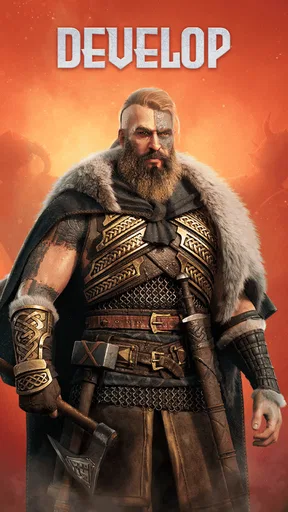
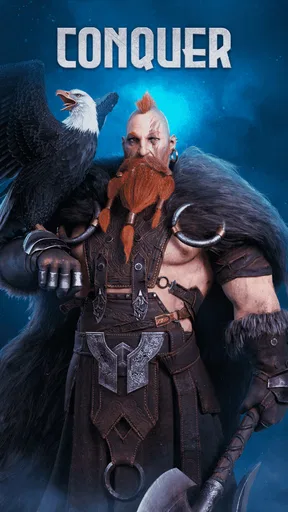
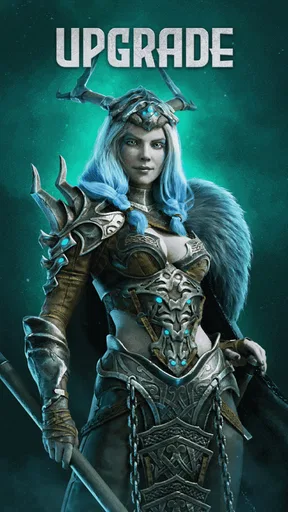
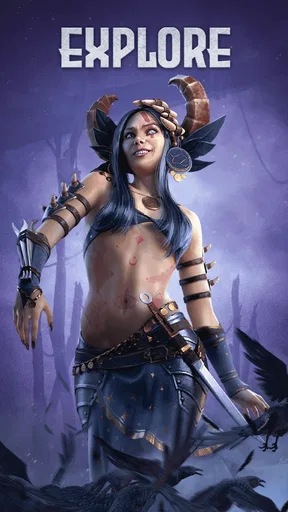
The visuals help make that routine feel like a place rather than a bare management screen. Landscapes, buildings, and characters give the settlement a clear Norse-inspired identity, and the sound effects add atmosphere while I move between village tasks. The presentation is one of the game’s more inviting qualities, although it doesn’t remove the need to wait for construction and training.
Progress feels clearest when plans connect
A useful way to approach the early game is to choose a near-term aim before spending resources. If I want to be more prepared for PvP, I can direct upgrades toward that goal; if I would rather build a steadier base first, I can focus on production. This keeps the resource decisions legible and helps avoid the frustrating feeling of having several projects underway without a clear reason.
Worth Reading Before You Choose

EA SPORTS FC Mobile 26 Is a Bigger Football Game, but It Takes Time

Flipboard Shows What News Apps Must Do Beyond the Feed

Switching to Android Auto Means Rethinking Your Driving Routine

Google Calendar Makes a Crowded Week Easier to Manage

Ludo King Makes the Most of the Minutes Between Plans

Baby Panda World Brings Quick Play to Modern Phones, but Its Game Library Feels Busy
Troop training adds another visible measure of progress. I choose a troop type and quantity, then wait for the units to be ready. The game includes different kinds of forces, including infantry, cavalry, and siege units, so building an army is not just a matter of choosing the largest number available. Their differing strengths and weaknesses encourage me to think about what I’m preparing for instead of treating every troop as interchangeable.
The trade-off is that progress can become hard to judge if I focus only on a single countdown. A settlement may be developing while troops are training, but those improvements serve different plans and don’t necessarily make me immediately stronger in every situation. I find it more satisfying to treat each timer as part of a broader preparation cycle: pick a goal, commit resources, and use the waiting period to decide what should come next.
PvP rewards preparation more than impulse
Player-versus-player battles give the long-term building a reason to matter. Raiding another settlement, defending my own, or taking part in clan warfare brings a human opponent into decisions that could otherwise feel routine. The game’s emphasis on scouting and understanding an enemy before attacking is a good fit for that setup. Strength matters, but choosing when to act and what to target matters too.
For me, the most satisfying PvP moments are the ones where preparation informs the choice to fight. A raid is not automatically a good idea just because it is available; I need to consider whether my army is ready and whether the target makes sense. That makes restraint part of the strategy. If I prefer games where every session guarantees a quick, neatly balanced match, this kind of persistent settlement competition may feel less immediate than a round-based strategy game.
There is a useful everyday rhythm here. I might open the game during a break, check which improvements or training tasks are in progress, make one resource decision, and leave with a clear next step. Later, when I have more time, I can look at clan communication or consider whether a PvP opportunity is worth pursuing. That works better for me than expecting every login to produce a battle or a major breakthrough.
Clans make the world feel less solitary
Joining a clan changes the experience from managing a settlement alone to coordinating with other players. Clan chat gives me a place to discuss plans, and the social layer makes the conflict feel more connected than a series of isolated attacks. If I enjoy exchanging advice and working toward shared aims, this is likely to be one of the strongest reasons to stick around.
That social benefit also comes with a commitment. Clan participation is more rewarding when I pay attention to what other members are doing and can contribute to common plans; someone who wants a wholly self-contained game may find the group side unnecessary. I would join because I want the interaction, not just assume that membership will make every part of progression effortless.
The challenge rises as decisions carry more weight
The basic loop is easy to grasp, but its challenge comes from balancing competing needs over time. Resources spent in one place cannot also support another immediate plan, and troop training makes preparation a waiting process. As PvP enters the picture, the consequences of a poor decision feel more personal because another player is involved. I like that gradual shift from simple village management toward more considered planning.
At the same time, the pacing will not suit everyone. If I want a strategy game that rewards quick reactions and resolves a full contest in a short session, waiting on construction or training can feel like friction rather than anticipation. The game is a better fit when I enjoy checking in, setting a plan, and returning later. It asks for patience without making patience automatically interesting; the player still needs to care about the goal behind each timer.
Compared with turn-based strategy games, Vikings: War of Clans is less about completing a contained match and more about maintaining a growing settlement alongside ongoing competition. Compared with solo city-building games, its PvP and clan activity add social stakes, but also make the experience less predictable. I’d choose it over a match-based alternative if I wanted persistent development and player interaction. I’d choose a self-contained tactical game instead if I wanted a clear beginning and end each time I played.
Spending can shorten waits, but patience remains an option
The game is free to play, with optional in-app purchases priced from $0.99 to $199.99 per item. Purchases can speed up processes or provide items, so they are most relevant to players who feel impatient with the pace or want to move ahead faster. I appreciate that waiting remains a viable way to play, but the range of purchase prices makes it sensible to decide on a personal spending limit before temptation arrives.
One practical approach is to treat purchases as convenience rather than a requirement: first see whether the regular rhythm of building and training suits you, then decide whether paying to reduce a wait is worth it. If I’m only casually curious, I would not spend just to force the game into a faster style than it naturally has. Someone who dislikes timers or feels pressured by optional spending may be happier with a paid strategy title that offers more immediate, self-contained play.
Who will enjoy this long-game strategy
I’d recommend it to players who like watching a base develop, making resource choices, and having a reason to coordinate with a clan. It also suits people who don’t need every session to end in a battle: checking progress and making a small plan can be enough for one visit. The Viking theme gives the settlement and its armies a recognizable character, while PvP gives long-term development a competitive purpose.
I would steer away from it if I wanted a purely solo campaign, rapid tactical matches, or progress that never asks me to wait. It may also be a poor fit for anyone who would rather not see optional purchases in a free-to-play game. The Teen content rating is another useful consideration for families deciding whether it is appropriate for a younger player.
My verdict on its pace and progression
What keeps me interested is the connection between settlement growth, troop preparation, and the possibility of conflict. The game gives me clear early objectives, then asks me to make more deliberate choices about how to develop and when to engage other players. Its strongest moments come when a plan has had time to take shape; its weakest stretches are the waits that can make progress feel remote.
For a free strategy game with a substantial player base, a 4.4 average rating, and a Teen rating, Vikings: War of Clans is worth considering if persistent growth and clan-based PvP sound appealing. I’d go in expecting a gradual game rather than a nonstop battle simulator, and I’d keep purchases optional. If that measured rhythm suits you, the settlement-building and player rivalry can give you a steady reason to return.
If you’re into strategy games that mix history with a bit of fantasy, then Vikings: War of Clans might just be your next obsession. I decided to give it a whirl and, honestly, it was a pretty wild ride from start to finish. So, grab your horned helmet, and let's dive into the icy world of Norse warriors!
Getting Started with Your Viking Journey
First things first, downloading and setting up Vikings: War of Clans is a breeze. Available on both Android and iOS, it took me less than a minute to get started. Once you’re in, you’re greeted by a pretty epic opening scene that sets the stage for your Viking adventures. You become the Jarl of your own clan, responsible for building up your settlement and leading your warriors to victory.
What really caught my eye was the game’s graphics. The level of detail in the landscapes, buildings, and characters is top-notch. It’s like someone took a history book and brought it to life with vivid colors and amazing artistry. The animations are smooth, and the sound effects, from the clashing of swords to the ambient sounds of the village, truly immerse you in the Viking world.
Building and Upgrading Your Village
As with any strategy game, the core of your success lies in building and upgrading your base. In Vikings, this means constructing resource buildings, military structures, and various other facilities. I found the building mechanics to be intuitive. You know exactly what you need to do, which resources are required, and how long it will take.
This is where the game’s strategy comes into play. You need to manage your resources wisely, deciding whether to focus on defense, offense, or resource production. The balance is key, and I often found myself pondering the best way to allocate my resources for maximum efficiency.
Training Your Viking Warriors
No Viking saga would be complete without battles, and this game doesn’t disappoint. You have a variety of troops to train, from standard infantry to more specialized units like cavalry and siege engines. Each type of warrior has its strengths and weaknesses, and it’s up to you to assemble the perfect army for your conquests.
The training system is straightforward. You select the type of troops you want and how many, then wait for them to be ready. The waiting time can be a bit of a drag, but the game offers ways to speed up this process, either through in-game bonuses or, of course, the option of using real money.
Engaging in Epic PvP Battles
Ah, the thrill of battle! The PvP aspect is one of the most exciting features of Vikings: War of Clans. You can join alliances, participate in clan wars, and raid other players’ settlements. It’s a strategic dance of attack and defense, requiring you to outthink your opponents and outmaneuver their defenses.
Winning battles isn’t just about brute strength. You need to scout your enemies, understand their weaknesses, and strike when the time is right. The adrenaline rush from a successful raid or a well-defended position is incredibly rewarding.
Community and Social Features
The game also shines with its community features. Joining a clan provides a sense of camaraderie and support. You can chat with your fellow clan members, share resources, and strategize together. The social aspect adds a whole new layer of depth to the game, making it more than just a solo adventure.
Being part of a clan also opens up additional events and challenges, offering both rewards and opportunities for growth. Participating in these events is a great way to level up faster and gain exclusive items.
In-App Purchases: Yay or Nay?
Like many free-to-play games, Vikings: War of Clans offers in-app purchases. These can enhance your gameplay by speeding up processes or acquiring rare items. While the game is perfectly playable without spending money, the temptation to buy those shiny extras is real. If you’re a patient player, you can enjoy the game without opening your wallet.
However, for those who want to progress faster, the purchases are there as an option. It’s all about personal preference and how you like to play.
Overall, Vikings: War of Clans is a captivating blend of strategy, community, and Norse mythology. Whether you’re a casual gamer or a hardcore strategist, there’s something here for everyone. So, if you’re ready to channel your inner Viking and lead your clan to glory, give this game a try. You might just find yourself hooked!
Pros
- Immersive graphics enhance gameplay experience.
- Diverse clan activities foster teamwork.
- Strategic depth keeps players engaged.
- Frequent updates with new content.
- Global player base for varied interactions.
Cons
- Requires constant internet connection.
- Can be time-consuming to progress.
- In-app purchases can be expensive.
- Resource management can be complex.
- Steep learning curve for new players.
FAQs for Vikings: War of Clans PvP
What is the main objective in Vikings: War of Clans?
In Vikings: War of Clans, the primary objective is to build a powerful empire by constructing and upgrading buildings, training armies, and forming alliances. Players must also engage in strategic battles to conquer territories and resources, striving to become the most dominant clan in the game.
Is Vikings: War of Clans free to play?
Yes, Vikings: War of Clans is free to download and play. However, it offers in-app purchases that can enhance the gaming experience. Players can buy resources, boosts, and special items to progress faster. While it's possible to enjoy the game without spending money, some features may take longer to access.
What are the system requirements for Vikings: War of Clans?
The game requires a stable internet connection and is compatible with both Android and iOS devices. For Android, it typically requires version 4.1 or higher, and for iOS, version 9.0 or later is recommended. Ensure you have sufficient storage space and a device capable of handling high-quality graphics for optimal performance.
How does the PvP aspect work in Vikings: War of Clans?
The PvP (Player vs Player) aspect is a key feature, allowing players to engage in battles against others worldwide. Players can raid other clans, defend their territories, and participate in large-scale clan wars. Strategy and alliances play a crucial role in achieving victory and dominating the leaderboards.
Can I play Vikings: War of Clans offline?
No, Vikings: War of Clans requires an active internet connection to play. The game involves real-time interactions with other players and server-based events, which necessitate being online. Ensure you have a reliable internet connection to fully enjoy the game's features and multiplayer aspects.


